By Elena Vance
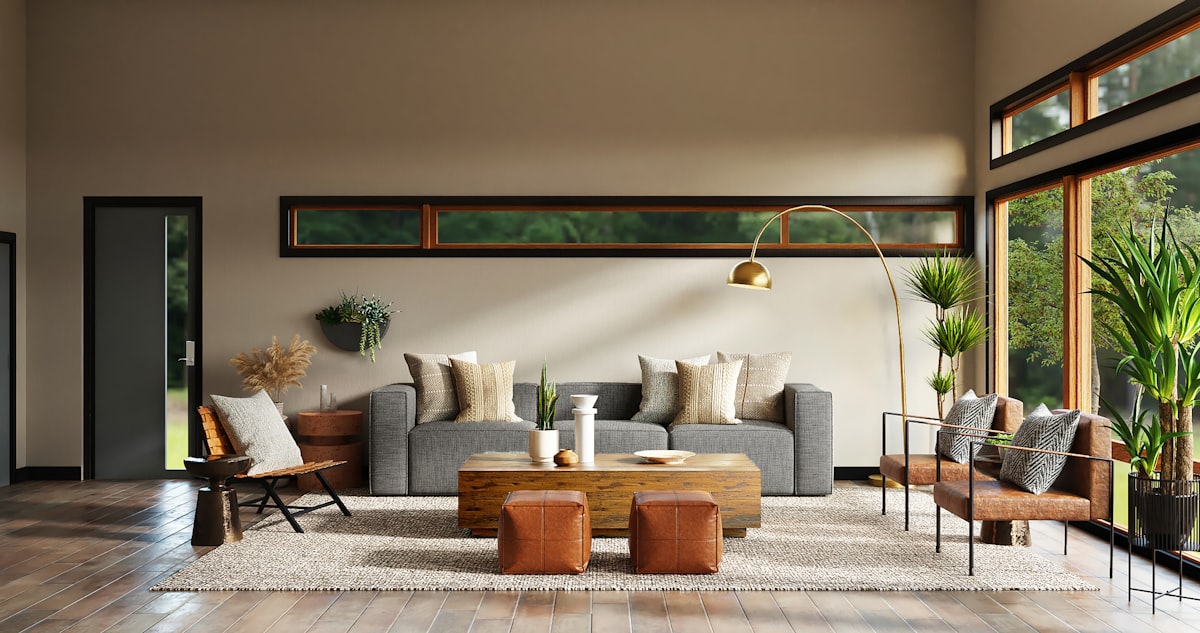
In an increasingly hyper-stimulated world, home is no longer just a place to sleep—it is our primary retreat. Over the past three seasons, one design movement has risen above passing trends to become a foundational philosophy: Japandi design.
What Exactly is Japandi?
At its core, Japandi is the artful marriage of Scandinavian functionality (hygge) and Japanese rustic simplicity (wabi-sabi). While Scandinavian aesthetics emphasize airy spaces, clean wood, and tactile comfort, traditional Japanese design introduces reverence for age, natural asymmetry, and disciplined restraint.
The Golden Rule of Japandi
Before purchasing any decor item, ask yourself: Does this serve a daily functional purpose or bring genuine tactile joy? If neither, leave the negative space intact.
Core Elements of a Japandi Space
- Subdued, Earth-Rooted Palette: Move past sterile hospital whites. Welcome soft warm oatmeals, muted sandstones, clay beige, and quiet olive or charcoal accents.
- Tactile Natural Materials: Think unsealed white oak, honed travertine, nubby linen, bouclé, and hand-spun ceramic vessels.
- Lower Sightlines: Japanese interiors celebrate ground-level living. By choosing lower-profile sofas and platform beds, you instantly increase the visual volume of your ceilings.
Designer Shopping Recommendation
To ground a Japandi living space, we always begin with a sculptural accent piece that softens linear architecture. The Sculptural Bouclé Swivel Accent Chair provides that exact organic cocoon shape without dominating visual weight.
How to Style It Tomorrow Morning
You don’t need a complete renovation. Clear your coffee table down to one single tactile ceramic vase with a single dried botanical branch, layer an unbleached linen throw over your existing armchair, and swap high-Kelvin cool bulbs for warm 2700K ambient glow.